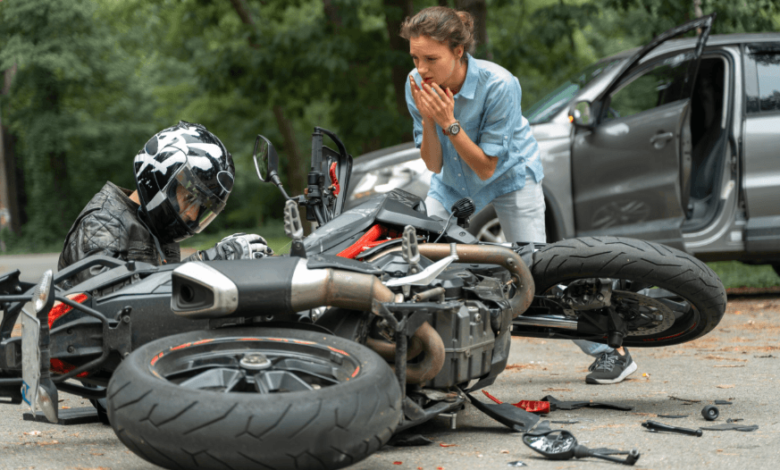
A motorcycle crash can happen in seconds, but the effects may last for months or longer. After a collision, evidence can help explain what happened, who may have caused the crash, and how the injuries affected the rider. Getting motorcycle crash legal guidance can also help a person understand which records and information may be important to a potential claim. The sooner useful evidence is identified and preserved, the easier it may be to establish a clear account of the accident.
Why Evidence Matters After a Motorcycle Crash
Motorcycle accidents often involve different versions of what happened. A driver may claim the motorcycle moved into their path, while the rider may remember the driver changing lanes or turning without seeing the motorcycle.
When accounts conflict, evidence can help provide a more complete picture. Photographs, witness statements, police reports, medical records, video footage, and physical damage may all help establish what occurred.
Evidence may also help show the difference between the accident itself and the losses that followed. Medical bills, treatment records, employment documents, and other records can help document the financial and personal effects of an injury.
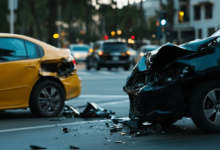
Photographs of the Accident Scene
Photos can be valuable because an accident scene may change quickly. Vehicles are usually moved, debris is removed, road conditions can change, and damaged property may eventually be repaired.
If a rider is physically able to do so safely, photographs may document:
- Damage to the motorcycle
- Damage to other vehicles
- Skid or tire marks
- Debris from the collision
- Road conditions
- Traffic signs and signals
- Lane markings
- Nearby intersections
- Weather and visibility conditions
- Visible injuries
Take photographs from different distances and angles. Close-up images can show specific damage, while wider photographs can provide context about the roadway and surrounding area.
The National Highway Traffic Safety Administration documents crash-scene evidence such as skid marks, fluid spills, struck objects, vehicle locations, and vehicle damage when conducting crash investigations. NHTSA’s crash investigation information provides an example of how physical evidence can help investigators understand what happened during a collision.
Police Reports and Official Records
A police report can provide another important source of information following a motorcycle accident. Officers may record statements from drivers and witnesses, describe road conditions, document visible damage, and note what they observed at the scene.
A police report does not automatically determine legal responsibility. However, it may contain facts that become useful when reviewing the circumstances of the crash.
Obtain a copy of the report when it becomes available. Review it for basic information such as the date, time, vehicles involved, reported injuries, witness information, and descriptions of the collision.
If the report contains an obvious factual mistake, ask the appropriate law enforcement agency about its process for correcting or supplementing the information.
Witness Statements and Contact Information
People who witnessed the crash may remember details that the people involved did not see. A witness might have noticed a vehicle speeding, changing lanes, failing to yield, running a traffic signal, or making another movement shortly before impact.
If someone witnessed the accident, keep their name and contact information if they are willing to provide it.
Do not pressure a witness to take a particular position about what happened. A witness statement is most useful when it reflects what the person actually saw or heard.
Witness memories can also become less reliable as time passes. For that reason, identifying potential witnesses soon after a collision can be helpful.
Traffic Cameras and Other Video Evidence
Video footage can provide direct information about how a crash occurred. Depending on the circumstances, footage may come from traffic cameras, nearby businesses, residential security systems, vehicle dashcams, helmet cameras, or other recording devices.
A camera may capture the moments immediately before impact, the collision itself, or what happened afterward.
One problem is that video recordings may not be stored for very long. Some systems automatically overwrite older footage. If a camera may have recorded the accident, identifying the source quickly can help preserve potentially useful information.
Do not edit or alter an original recording. Keep the original file whenever possible and make copies for backup.
See also: Comparing Health Insurance Plans: A Malaysian Family’s Checklist
Motorcycle Damage and Physical Evidence
The motorcycle can provide important evidence after a crash. Scratches, dents, broken parts, tire damage, and other marks may help show how the collision occurred.
For example, the location and pattern of damage may help explain the direction of impact. Broken motorcycle parts or debris may also help establish where the collision occurred.
If there is a dispute about how the crash happened, avoid repairing, selling, or disposing of the motorcycle before it has been properly documented. The same consideration may apply to damaged riding equipment.
Keep the helmet, jacket, gloves, boots, and other protective equipment involved in the accident. Photographs of damaged safety gear may also help document the severity of the impact.
Medical Records and Injury Documentation
Medical records are important because they can connect injuries to the motorcycle accident and show the treatment required afterward.
Keep records from emergency care, hospital visits, doctors, specialists, physical therapy, diagnostic testing, prescriptions, and follow-up appointments.
Some injuries may not be obvious immediately after a crash. For example, the CDC explains that symptoms of a mild traumatic brain injury or concussion may appear right away or develop hours or days after the injury. CDC information on concussion symptoms explains why changes in headaches, balance, memory, concentration, sleep, or behavior should be taken seriously.
Medical records may also show how an injury affects daily life. Restrictions on lifting, walking, driving, working, or performing normal activities can provide useful information about the impact of the injury.
Employment and Financial Records
A motorcycle accident can affect a person’s ability to work. Some injured riders may miss several days of work, while others may need extended treatment or face long-term restrictions.
Keep documents that show financial losses related to the accident. These may include pay statements, work schedules, employment records, leave records, invoices, and other documentation showing missed income.
If an injury affects a person’s ability to perform the same job duties, medical restrictions and employment records may help explain the situation.
Keeping these documents together can make it easier to determine the financial impact of the accident.
Personal Notes Can Preserve Important Details
Writing down what happened can be useful, especially soon after the crash. Memories can become less precise with time, particularly when the accident was stressful or involved serious injuries.
A personal record may include the approximate time of the crash, weather conditions, traffic, road conditions, direction of travel, what happened immediately before impact, and what happened afterward.
It can also help to record symptoms and how they change. Notes about pain, sleep problems, mobility issues, medical appointments, and limitations on daily activities may help preserve details that could otherwise be forgotten.
Keep personal notes factual. Avoid guessing about information that you do not remember clearly.
Preserve Evidence as Soon as Possible
Evidence can disappear, become damaged, or become more difficult to obtain as time passes. Taking reasonable steps to preserve it can help protect important information.
Save photographs and videos in their original form. Keep copies of medical records, police reports, receipts, employment documents, witness information, and other relevant materials.
If there may be surveillance footage, identify the source quickly. If physical evidence such as a damaged motorcycle or helmet is important, preserve it rather than discarding it.
It is also useful to keep accident-related documents in one secure location. Organized records can make it easier to understand what happened and what losses resulted from the collision.
Do Not Rely on One Piece of Evidence
A motorcycle accident claim does not necessarily depend on a single photograph, witness, or report. Different types of evidence can work together.
For example, photographs may show vehicle damage, a witness may describe what happened immediately before the collision, a police report may document observations at the scene, and medical records may establish the injuries that followed.
When several independent sources support the same account, they can provide a clearer picture of the accident and its consequences.
Final Thoughts
Evidence can play an important role in understanding a motorcycle accident claim. Photos can preserve the crash scene, witnesses can provide firsthand observations, police reports can document official findings, and medical records can establish injuries and treatment.
Video recordings, motorcycle damage, employment records, and personal notes can provide additional information. Because some evidence can disappear or become harder to obtain, taking practical steps soon after a crash is important.
Preserving records, following medical advice, and obtaining appropriate legal guidance can help an injured rider better understand the information that may support a claim. A well-organized collection of evidence can make it easier to explain what happened and document the losses that followed.