Fraud Alert Hotline – Verify Calls From 2244819019, 2315630778, 2392528000, 2482312102, 2532360471

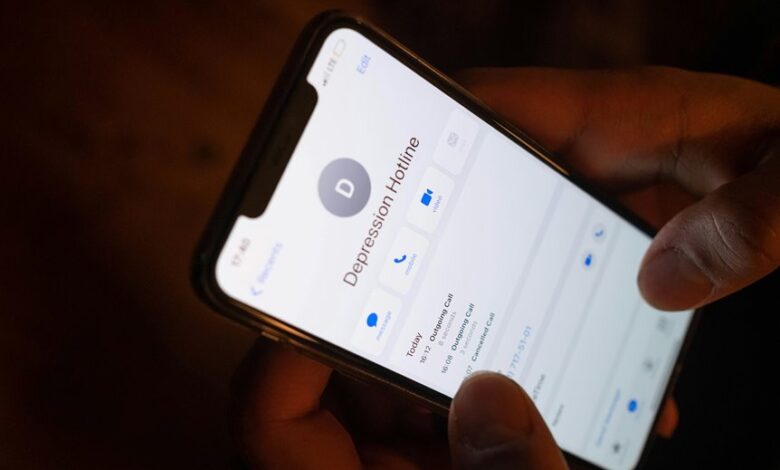
The Fraud Alert Hotline serves as a crucial resource for consumers confronting the prevalence of fraudulent calls from numbers such as 2244819019, 2315630778, 2392528000, 2482312102, and 2532360471. By utilizing this hotline, individuals can verify the authenticity of these calls, safeguarding their personal information. However, awareness of common scams and proactive measures are equally important. Understanding these elements can significantly enhance one’s ability to navigate potential threats effectively.
Understanding the Fraud Alert Hotline
Although many individuals may not be aware of its existence, the Fraud Alert Hotline serves as a critical resource for consumers facing potential identity theft or fraud.
This hotline enhances fraud prevention efforts and promotes scam awareness, offering guidance on recognizing and responding to fraudulent activities.
How to Verify Calls Using the Hotline
How can consumers ensure the legitimacy of unexpected calls claiming to be from financial institutions or government agencies?


Utilizing hotline features for call verification is essential. Consumers should promptly report suspicious numbers to the hotline, where trained representatives can authenticate the call’s origin.
This proactive approach empowers individuals to safeguard their personal information and make informed decisions in a landscape rife with potential fraud.
Common Scams to Watch Out For
What types of scams are most prevalent in today’s digital landscape? Identity theft and phishing schemes dominate, exploiting individuals’ trust and naivety.
Cybercriminals often masquerade as legitimate entities, luring victims into revealing sensitive information. These scams thrive in the anonymity of the internet, making awareness and vigilance essential.
Individuals must remain alert to protect their personal data and financial security from these pervasive threats.
Tips for Protecting Yourself From Fraud
A comprehensive approach to protecting oneself from fraud involves several key strategies that individuals should adopt.
Enhancing financial literacy empowers individuals to recognize suspicious activities and understand their rights.
Implementing robust identity protection measures, such as regular credit monitoring and secure password practices, further safeguards personal information.
Conclusion
In conclusion, the Fraud Alert Hotline serves as a vital resource for consumers facing suspicious calls from numbers such as 2244819019 and others. While some may doubt the effectiveness of a hotline, the trained representatives offer valuable insights that can significantly reduce the risk of falling victim to scams. By utilizing this service, individuals not only protect their personal information but also contribute to a broader effort against identity theft, fostering a more secure environment for all.