Freight transport has always been a complex puzzle. But technology has completely changed how we solve it. While it may seem obvious now, consider the role GPS and AI (artificial intelligence) play today in optimizing logistics routes. It’s no longer just about getting from point A to point B — it’s about finding the fastest, safest, and most cost-efficient route.
GPS systems help truck drivers avoid getting lost, but AI goes one step further. Smart algorithms analyze traffic patterns, weather conditions, and even road construction to determine the best possible route at any given time. This means less time stuck in traffic and more time spent actually delivering goods. And let’s be honest — who wants to be stuck in a jam?
Smarter routes with GPS and AI
It may sound like science fiction, but AI truly helps plan the most efficient delivery routes. Imagine you’re a truck driver with an urgent load to deliver. Traditionally, you’d pick the fastest route. But what if unexpected conditions arise? This is where AI steps in.
By leveraging data analysis and machine learning, AI can predict traffic congestion and possible delays. With InsTech, drivers receive real-time route updates — no more fumbling with paper maps or outdated navigation tools. It’s like having your own personal traffic controller, available 24/7.


Safety improvements through smart technology
Safety has always been a top priority in the transport sector. Fortunately, new technologies have significantly enhanced protection for both drivers and cargo. Take advanced safety systems like automatic braking or lane departure assistance, for example.
These systems help prevent accidents by reacting instantly to sudden changes in traffic. They can brake automatically if an obstacle appears or alert the driver when drifting from a lane. It’s like having an extra set of eyes constantly monitoring the road.
See also: How to Choose the Right SEO Expert in Singapore for Your Business
Real-time tracking is a game-changer
Another major benefit of technological advancement in transport is real-time tracking. In the past, knowing exactly where a truck or cargo was located was difficult. Today, thanks to GPS tracking and IoT (Internet of Things) devices, companies can follow their shipments in real time.
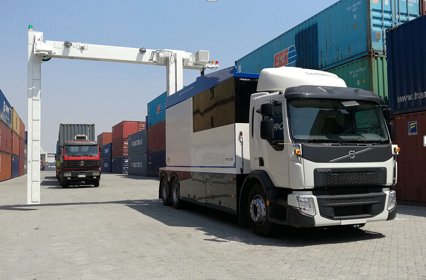
This not only provides customers with accurate delivery times, but also allows businesses to respond more effectively to unforeseen situations — especially when combined with a reliable cargo inspection system. For instance, if delays occur due to bad weather or a road accident, companies can quickly adjust their logistics to ensure goods still arrive on time. It’s a game-changer for transparency and peace of mind.
Automation is reshaping the workplace
Automation is having a significant impact on the logistics workforce. Robots and automated systems are increasingly handling tasks that were once manual. That doesn’t mean fewer jobs — in many cases, it simply means different jobs.
Rather than performing physically demanding labor, workers are shifting toward more specialized roles, such as operating automated systems or analyzing logistics data for process improvements. While this transition takes some adjustment, it ultimately leads to safer, more efficient operations.
Technology and sustainability in transport
Sustainability is a hot topic across all industries, and transport is no exception. Luckily, technology is driving major progress here too. Think of electric trucks and fuel-efficient engines that reduce emissions while saving costs.
In addition, smart route planning and optimized resource use help cut down on unnecessary trips, reducing the industry’s environmental footprint. It’s inspiring to see how innovation not only makes our lives easier, but also contributes to a greener future.