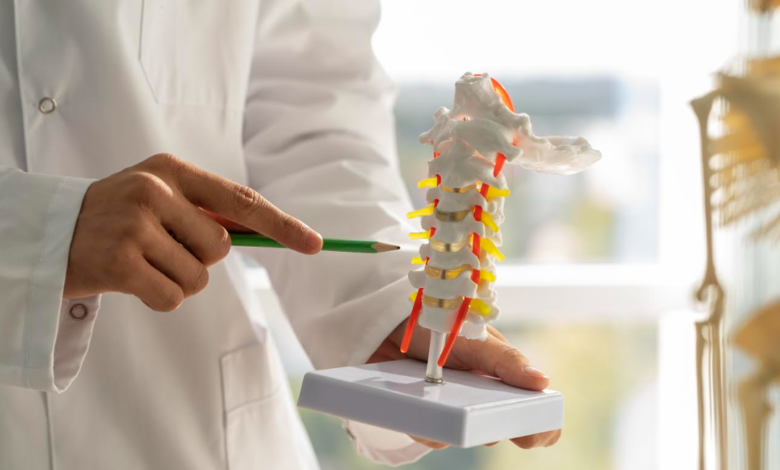
Maintaining strong bones and healthy joints is essential for overall mobility and quality of life, especially as we age. While exercise and lifestyle choices play a significant role, diet is often the unsung hero in maintaining bone density and joint mobility.
What we eat can either strengthen our skeletal system or accelerate wear and tear, affecting everything from posture to flexibility. Let’s dive into how diet impacts bone and joint health, and what steps you can take to protect them.
What Are Bone Density And Joint Mobility?
Bone density refers to the amount of mineral matter, primarily calcium and phosphorus, packed into your bones. High bone density generally indicates strong bones, whereas low bone density may lead to conditions like osteoporosis, increasing the risk of fractures. Bones are living tissues that constantly undergo remodeling. Old bone wears down, and new bone forms.
Adequate nutrition ensures this process happens efficiently, keeping bones strong throughout life. Joint mobility, on the other hand, is the range of motion your joints can achieve without discomfort or restriction.

Healthy joints allow smooth movement, cushioning bones, and distributing stress during activities like walking, running, or lifting. Poor joint mobility can lead to stiffness, pain, or even chronic conditions like arthritis. Diet can influence both the structural integrity of joints and the inflammation levels that affect their function.
See also: How to Create an Efficient Home Office and Ensure Uninterrupted Work
What Is The Perfect Diet For Joint Pain Relief?
The perfect diet for bone health is one that focuses on reducing inflammation, supporting bone health, and promoting overall joint function. Here’s what it should include:
1. Calcium Rich Foods: Calcium is essential for bone strength. Dairy products like milk, cheese, and yogurt are excellent sources, as are leafy greens such as spinach and kale. Fortified plant based milks can also help meet daily calcium requirements.
2. Vitamin D: Vitamin D helps the body absorb calcium efficiently. Fatty fish like salmon, mackerel, and sardines are good sources, alongside eggs and fortified foods. Sunlight exposure is also crucial for natural vitamin D synthesis.
3. Omega 3 Fatty Acids: Found in fish, flaxseeds, and walnuts, omega 3s are potent anti-inflammatory agents that can reduce joint stiffness and swelling, making movement easier.
4. Protein: Lean protein from poultry, fish, eggs, legumes, and tofu supports bone matrix formation and muscle strength, which in turn protects joints from excessive stress.
5. Fruits And Vegetables: Rich in antioxidants and phytochemicals, fruits and vegetables help reduce oxidative stress and inflammation in joints. Berries, citrus fruits, tomatoes, and leafy greens are particularly beneficial.
6. Whole Grains And Nuts: These foods for joint pain relief should be rich in magnesium and fiber, contributing to bone health and reducing chronic inflammation.
7. Limit Processed Foods: Excess sugar, refined carbs, and trans fats can exacerbate inflammation, negatively affecting joint health. Reducing these can improve joint comfort over time.
Can Diet Influence Bone Density And Joint Mobility?
Yes, diet plays a direct and indirect role in both bone density and joint mobility. Nutrients like calcium, magnesium, vitamin K, and protein provide the structural components needed for bone strength. At the same time, antioxidants, omega 3 fatty acids, and other antiinflammatory compounds reduce joint inflammation, allowing for better flexibility and movement.
A diet lacking these nutrients can accelerate bone loss and exacerbate joint pain. For example, insufficient calcium and vitamin D intake over time weakens bones, increasing the risk of fractures. Similarly, diets high in processed foods and low in anti inflammatory compounds can worsen joint stiffness and pain, reducing mobility.
Moreover, maintaining a healthy body weight through a balanced diet reduces stress on weight bearing joints like the knees and hips. Excess weight increases wear and tear, leading to early onset joint problems. Thus, what we eat directly affects how strong our bones are and how freely our joints move.
How Can Bone Density And Joint Mobility Be Improved?
Joint mobility and bone density improvement involves a combination of diet, lifestyle habits, and visiting the best ortho specialist in Coimbatore for proper medical guidance. Here’s how:
1) Balanced Nutrition: Incorporate calcium, vitamin D, magnesium, protein, and anti inflammatory foods regularly. Supplements may be necessary in cases of deficiency.
2) Regular Physical Activity: Weight bearing exercises like walking, jogging, and resistance training strengthen bones, while stretching and low impact exercises like swimming or yoga enhance joint mobility.
3) Maintain A Healthy Weight: Reducing excess body fat decreases stress on joints, slowing cartilage wear and improving overall mobility.
4) Avoid Harmful Habits: Smoking and excessive alcohol consumption can reduce bone density and increase inflammation, impairing joint health.
5) Medical Monitoring: Regular bone density scans, especially for older adults or those with a family history of osteoporosis, can help track bone health. Early intervention can prevent serious complications.
Conclusions
Bone density and joint mobility are vital components of a healthy, active life. While genetics play a role, diet and lifestyle choices have a significant impact on how well our bones and joints perform. A nutrient rich, anti inflammatory diet combined with regular exercise, weight management, and healthy habits can improve bone strength, enhance joint flexibility, and reduce the risk of injuries or chronic pain.
Therefore, visit the best ortho hospital in Coimbatore and take care of your joint health profoundly. Prioritizing your bone and joint health today can help ensure mobility, comfort, and quality of life for years to come. Remember, strong bones and flexible joints start from the plate.