Indirect Evaporative Cooling Data Center: A Powerful & Sustainable Solution for Modern Facilities (7 Proven Benefits)

Understanding Indirect Evaporative Cooling in Data Centers
What Is Indirect Evaporative Cooling?
Indirect evaporative cooling is an advanced thermal management technique that cools air without adding moisture to the data center environment. Unlike traditional air conditioning systems that rely heavily on compressors and refrigerants, this approach uses the natural process of water evaporation through a heat exchanger.
In an indirect evaporative cooling data center, outside air is cooled via evaporation in a separate airstream. That cooled air then passes through a heat exchanger, reducing the temperature of the internal data center air without mixing the two airflows. As a result, sensitive IT equipment remains protected from humidity and contaminants.
How It Differs from Traditional Cooling Systems
Conventional cooling systems depend on chilled water or DX (direct expansion) units, which consume large amounts of electricity. Indirect evaporative cooling dramatically reduces reliance on mechanical refrigeration, making it a smarter and more energy-conscious alternative for modern facilities.
See also: How to Choose the Right SEO Expert in Singapore for Your Business

Why Data Centers Need Advanced Cooling Technologies
Heat Challenges in High-Density Data Centers
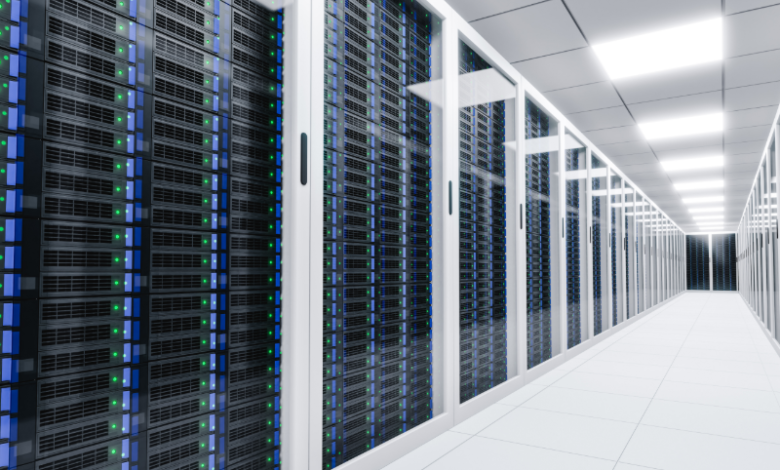
As computing demands grow, data centers are becoming denser than ever. High-performance servers generate enormous heat loads, and even slight temperature fluctuations can reduce performance or cause hardware failures. Efficient cooling is no longer optional—it’s mission-critical.
Rising Energy Costs and Environmental Concerns
Cooling can account for up to 40% of a data center’s total energy usage. With rising electricity prices and increasing pressure to reduce carbon emissions, operators are seeking innovative solutions like indirect evaporative cooling to stay competitive and compliant.
How Indirect Evaporative Cooling Data Center Systems Work
Core Components of the System
Heat Exchangers
Heat exchangers are the heart of indirect evaporative cooling. They allow heat transfer between two air streams without mixing them, ensuring clean and dry air circulates within the data center.
Airflow Management
Advanced airflow management systems ensure consistent temperature distribution across server racks, eliminating hotspots and improving overall efficiency.
The Cooling Cycle Explained Step by Step
- Warm outside air enters the system
- Water evaporation cools the secondary air stream
- Heat exchanger transfers cooling to internal air
- Cooled air circulates through the data center
- Warm air is exhausted efficiently
This simple yet powerful cycle allows data centers to maintain optimal temperatures with minimal energy consumption.
Benefits of Indirect Evaporative Cooling Data Center Solutions
Energy Efficiency and Reduced PUE
One of the biggest advantages of an indirect evaporative cooling data center is its ability to achieve extremely low Power Usage Effectiveness (PUE) values—often close to 1.1 or lower. This translates directly into lower operating costs.
Improved Equipment Reliability
Stable temperatures and controlled humidity levels help extend the lifespan of IT equipment. Fewer thermal shocks mean fewer failures and less downtime.
Water Usage Optimization
Modern systems are designed to minimize water consumption through recirculation and smart controls, making them more sustainable than many assume.
Indirect vs Direct Evaporative Cooling in Data Centers
Key Performance Differences
| Feature | Indirect Cooling | Direct Cooling |
|---|---|---|
| Humidity Control | Excellent | Limited |
| Air Contamination Risk | None | Moderate |
| Suitable for IT Equipment | Very High | Medium |
Use Cases for Each Cooling Method
Indirect systems are ideal for mission-critical environments where air quality and humidity control are essential. Direct systems may suit smaller or less sensitive facilities.
Sustainability and Environmental Impact
Lower Carbon Footprint
By reducing electricity consumption and eliminating refrigerants, indirect evaporative cooling significantly lowers greenhouse gas emissions.
Alignment with Green Data Center Standards
Many facilities using indirect evaporative cooling align easily with LEED, ISO 50001, and other sustainability certifications. For further reading on green infrastructure, visit https://www.energy.gov/eere/femp/data-centers.
Cost Considerations and ROI
Initial Investment vs Long-Term Savings
While upfront costs may be higher than traditional systems, the long-term energy savings often result in a payback period of 2–4 years.
Operational and Maintenance Costs
With fewer mechanical components, maintenance requirements are lower, reducing ongoing operational expenses.
Implementation Challenges and Best Practices
Climate Suitability
Indirect evaporative cooling performs best in dry or moderate climates. However, hybrid systems can adapt the technology for humid regions.
Integration with Existing Infrastructure
Retrofitting older facilities requires careful planning, but modular designs make integration increasingly straightforward.
Future Trends in Data Center Cooling
AI-Driven Cooling Optimization
Artificial intelligence is being used to predict thermal loads and optimize cooling performance in real time.
Hybrid Cooling Systems
The future lies in hybrid solutions that combine indirect evaporative cooling with traditional systems for maximum flexibility.
Frequently Asked Questions (FAQs)
1. Is indirect evaporative cooling safe for servers?
Yes, it keeps humidity controlled and prevents outside air contamination.
2. How much energy can it save?
Many facilities report energy savings of 30–70% compared to traditional cooling.
3. Does it work in humid climates?
Yes, especially when paired with hybrid or supplemental cooling systems.
4. Is water consumption high?
Modern designs are highly efficient and use less water than expected.
5. Can it be retrofitted into existing data centers?
Yes, with proper assessment and modular system design.
6. Is it suitable for hyperscale data centers?
Absolutely. Many hyperscale operators already use this technology.
Conclusion
An indirect evaporative cooling data center represents a powerful shift toward energy efficiency, sustainability, and operational resilience. By leveraging natural cooling principles and advanced engineering, this approach offers long-term cost savings, improved equipment performance, and reduced environmental impact. As data demands continue to grow, indirect evaporative cooling stands out as a future-ready solution for modern data centers.