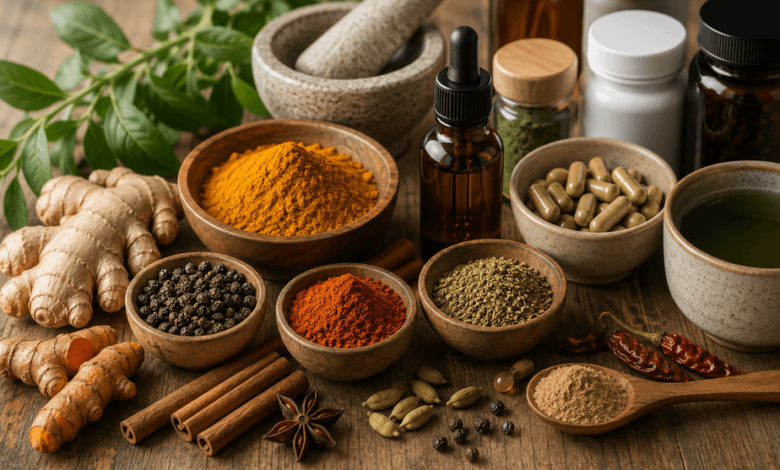
The wellness industry’s love affair with exotic superfoods comes and goes, but one category has shown genuine staying power: spices. Turmeric, ginger, cinnamon, black pepper, and cardamom have been central to traditional medicine systems for centuries, and the research supporting their functional properties has grown substantially in recent years. For manufacturers working with a bulk spice wholesaler and formulating functional products, the appeal is obvious.
What Functional Actually Means Here
We’re talking about a food that is good for you or a supplement is something that is meant to do more than just give you the basics that your body needs. When we talk about spices, this usually means they can help with things like reducing inflammation, helping your system keep your blood sugar in check, or fighting against things that can harm your cells. People have studied these properties in controlled situations. They are getting more and more proof that spices really do have these benefits.
Curcumin, the active compound in turmeric, has been among the most studied natural compounds in biomedical research over the past two decades. Its anti-inflammatory properties are well-documented, though bioavailability remains a formulation challenge which is why piperine from black pepper is so often paired with it. This kind of evidence-informed pairing is what separates serious functional product formulation from marketing fiction.
Why Spices Have Survived Wellness Trend Cycles
Part of the answer is cultural depth. Unlike many wellness ingredients that arrive with a story about a remote community and disappear when the trend cycle moves on, spices are woven into the culinary and medicinal traditions of multiple major civilisations. That history creates a credibility that’s hard to manufacture.


There is also the issue of accessibility. People are already used to these ingredients because they have them in their kitchens. This makes it easier for consumers to try a product that has turmeric or ginger in it. The fact that they already know what turmeric and ginger are makes them more likely to try a product that contains turmeric or ginger. It does not feel like a risk to try something with these ingredients because it feels like a natural next step, from something they already use.
The Sourcing Complexity Behind Quality Products
The quality of spices that companies buy can be really different. People who use these spices do not know about it. The amount of curcumin in turmeric can be very different depending on the type of turmeric, the conditions it is grown in and how it is handled after it is picked. For companies that say their products work, it is very important that the turmeric they use is always of the highest quality.
This is where the relationship with a reliable bulk spice wholesaler becomes commercially important not just for price, but for specification consistency. A supplier who can provide third-party testing documentation and maintain consistent origin traceability is a different proposition from a commodity broker competing primarily on price.
Where the Category Is Heading
The intersection of culinary familiarity and functional credibility positions spices well for the next phase of wellness product development. Formats are evolving beyond capsules and teas spice-based functional blends are appearing in beverages, snack products, and meal solutions. The consumer appetite for ingredients they recognise and trust seems likely to sustain the category through the inevitable shifts in what else is trending.