Corporate events have changed dramatically over the last few years. Traditional formats built around formal dinners, presentations, and standard networking sessions are no longer always enough to keep attendees engaged. Businesses are increasingly looking for experiences that feel more interactive, memorable, and socially engaging, particularly as workplace culture continues to evolve.
One of the biggest shifts within the industry has been the growing demand for activity-led team events. Rather than simply gathering employees together in a conference room or restaurant, companies are investing in experiences that encourage participation, collaboration, and genuine interaction. Shared activities naturally create conversation, helping teams connect in ways that formal networking often struggles to achieve.
This trend has accelerated alongside the growth of hybrid and remote working. Many employees now spend far less time together in person during everyday work life, which has increased the importance of company gatherings when teams do meet physically. Businesses are increasingly using corporate events as opportunities to rebuild morale, strengthen communication, and reconnect staff who may normally work remotely or across multiple locations.
Modern team experiences are designed very differently from the traditional corporate activities that once had a reputation for feeling forced or uncomfortable. Today’s events place far greater emphasis on energy, entertainment, collaboration, and inclusivity. Activities are often structured to encourage participation naturally, removing much of the awkwardness that can come with formal networking environments.


Companies such as The Big Smoke Events have built entire event concepts around this shift in behaviour. Their approach focuses on professionally hosted experiences that combine group challenges, collaborative tasks, and interactive formats designed to strengthen communication and team connection. Their activities range from scavenger hunts and quiz experiences to giant team games and immersive group challenges.
The popularity of these types of experiences reflects wider changes in consumer behaviour as well. People increasingly value experiences over passive entertainment, especially younger audiences who are used to interactive digital environments and highly social online platforms. Modern event attendees often want to feel involved rather than simply observing what is happening around them.
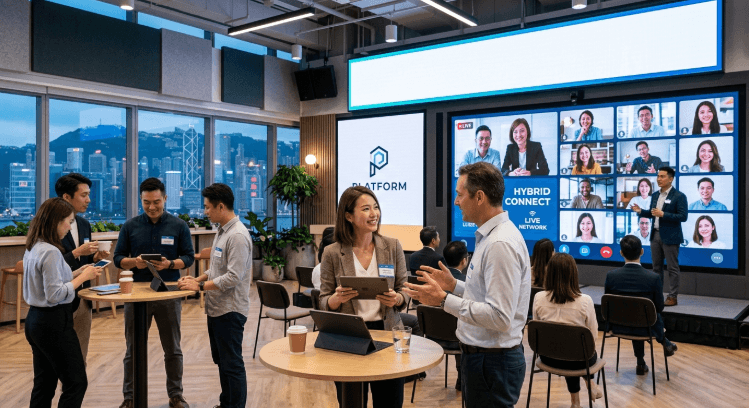
Technology has played a major role in supporting this transformation. Many modern corporate events now incorporate digital scoring systems, live leaderboards, interactive projections, app-based challenges, and immersive audiovisual elements. These additions help create events that feel more dynamic and engaging while also making them more visually shareable online.
The structure of many team-building events has also evolved to become more inclusive. Traditional networking situations can favour naturally outgoing personalities, whereas activity-based experiences provide a shared focus that encourages participation from a broader range of attendees. The activity itself becomes the conversation starter, helping people engage more comfortably and naturally.
London has become a major hub for these kinds of experience-led corporate events. The city’s event industry has rapidly adapted to growing demand for interactive group activities that feel different from conventional hospitality formats. Businesses increasingly want experiences that are energetic, collaborative, and memorable rather than purely formal.
Industry interest in these formats has grown significantly across the UK. Reports covering the wider rise of activity-led social experiences show that demand for interactive group entertainment has expanded rapidly in recent years, with businesses and consumers alike looking for more engaging ways to spend time together.
Another important factor behind the growth of these events is the lasting impact they can create. Shared experiences often strengthen social bonds more effectively than passive interaction alone. Employees are far more likely to remember moments of laughter, teamwork, or problem-solving than they are to remember standard networking conversations or presentations. This makes interactive events particularly valuable for improving workplace relationships and strengthening team culture.
See also: Business Contact Discovery Hub Traveltweaks Phone Number Revealing Company Contact Searches
Businesses are also becoming increasingly selective about how they spend money on events. Rather than investing heavily in purely formal hospitality, many companies now prioritise experiences that deliver stronger engagement and longer-lasting value. A well-run collaborative event can continue generating positive discussion and team connection long after the event itself has finished.
The physical design of event spaces has evolved alongside these changing expectations. Many modern venues are now built around movement, participation, and flexibility rather than static seating arrangements. Layouts are designed to encourage interaction between attendees instead of separating people into isolated groups.
There is now far greater overlap between workplace culture and event planning than there once was. Corporate events are no longer viewed simply as celebrations or networking opportunities. Increasingly, they are seen as tools for improving communication, strengthening relationships, and supporting employee engagement across organisations.
As workplace expectations continue evolving, interactive team experiences are likely to remain a major influence on the events industry. Businesses are recognising that people no longer want to simply attend an event — they want to actively participate in it.